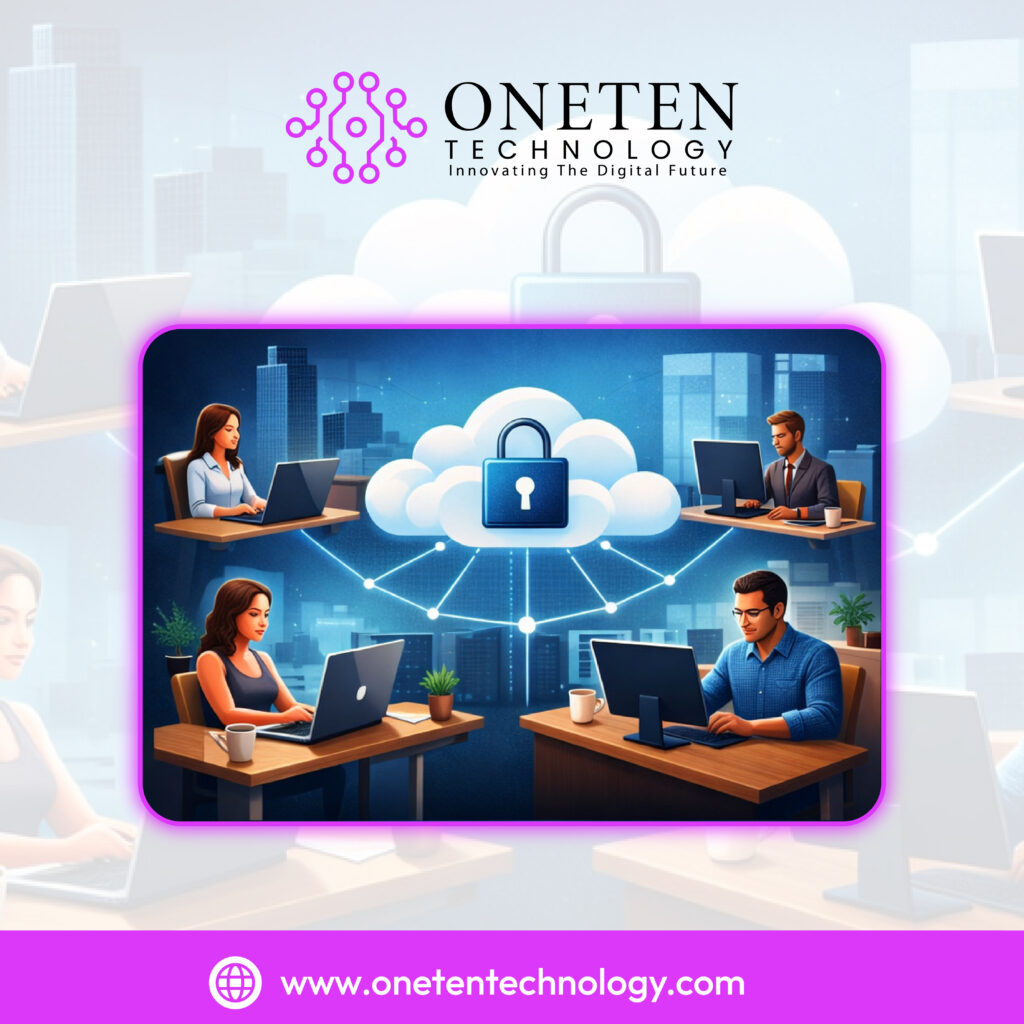
The hybrid workforce is not an adjustment for emergency situations anymore but a permanent feature of modern business operations. What began as an emergency measure due to the COVID 19 pandemic is now a permanent feature of business operations. Organizations have adopted the hybrid model of operation because it increases employee satisfaction, boosts productivity, and reduces costs of maintaining physical working spaces. However, though it is advantageous for business operations, it has changed the cybersecurity landscape significantly.
In the traditional office setting, IT teams operated within a well defined perimeter. The presence of corporate firewall systems, servers, and endpoints created a well secured perimeter. However, the traditional office setting has changed. The hybrid workforce works from different locations, including their homes, public Wi-Fi hot-spots, and co working spaces. The attack surface has therefore increased considerably, and cyber criminals have also adapted to this new trend.
Hybrid workforce cybersecurity is not the same as traditional network security. It has changed considerably, and the traditional way of protecting the network infrastructure is not applicable. Instead of protecting the network infrastructure, cybersecurity has to be deployed for the distributed workforce, cloud applications, identities, and data in motion. The traditional way of protecting the network infrastructure has changed to identity based security and continuous verification. The traditional way of assuming trust based on the location of the user has changed. The hybrid workforce cybersecurity model assumes that all access must be verified, all devices must be monitored, and all transactions must be secured.
One of the major effects of hybrid work on cybersecurity is related to devices. In many cases, people use their devices, such as laptops, smartphones, and tablets, to access corporate resources. These devices are not necessarily patched and updated frequently, and they may not have robust endpoint security capabilities. These devices can become an entry point for attackers, who can use them to move laterally and gain higher privileges on the corporate network.
Poor password management is one of the other major effects of hybrid work on cybersecurity. Despite all the efforts put in over the last few years regarding password management and security, people continue to use poor password management practices. Hackers use various tools and scripts to automate attacks against corporate networks. Once they obtain a password, they use it to gain access to corporate resources. Once they gain access, they use it as a foothold to move laterally and gain higher privileges. In a hybrid work environment, where people work from anywhere and use different networks, identity is considered the new security perimeter. Thus, it is considered one of the essential components of a cybersecurity framework.
Another major concern for hybrid work environments is insecure networking. Corporate network security is usually maintained through sophisticated firewalls and intrusion detection systems. However, home network security is often maintained through default router settings and outdated firmware. Employees often fail to update router software, change default settings, and configure robust encryption standards. Public network security is even more vulnerable, as it is often not implemented at all. Without robust security measures such as VPN and secure communication protocol implementations, any information sent over these networks can easily be intercepted using man in the middle attacks.
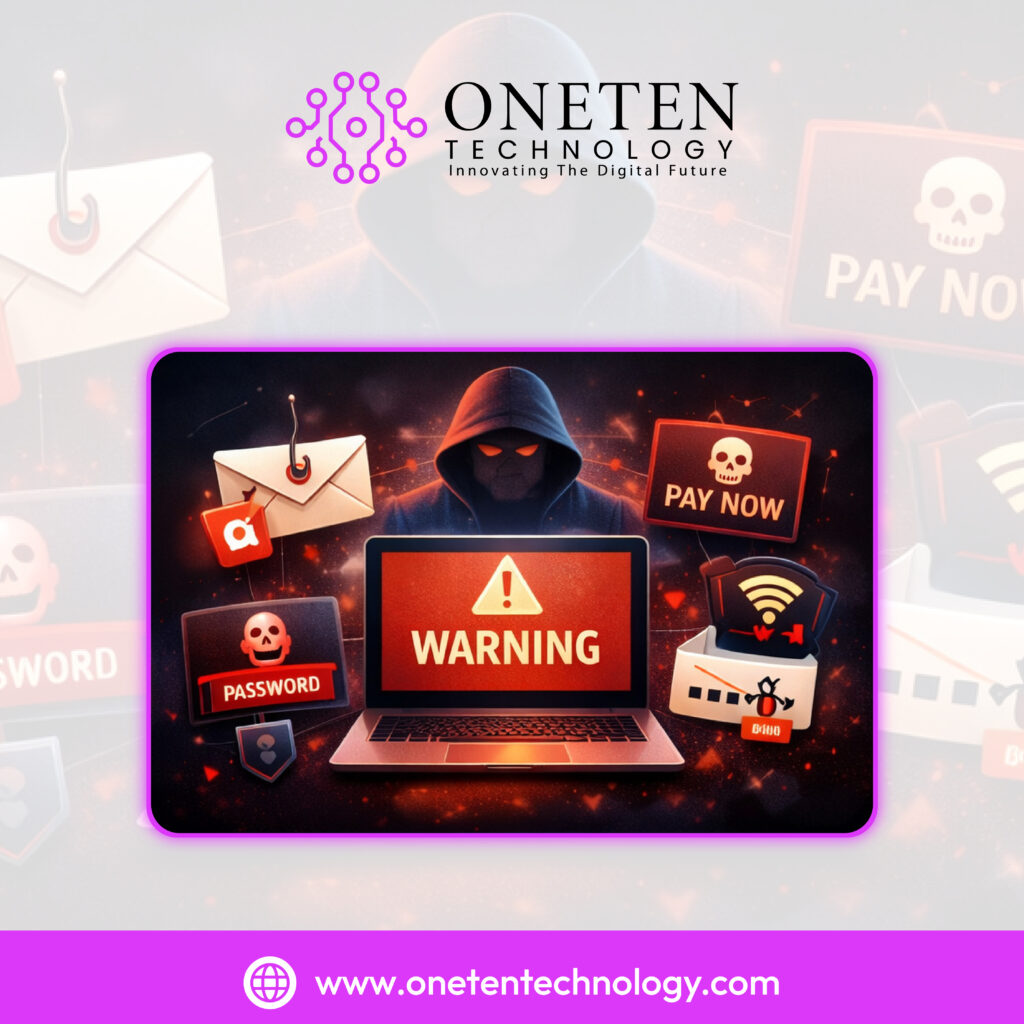
Phishing and social engineering attacks have become more prevalent in hybrid work environments. Employees working from home have less interaction with IT and other employees, making them more susceptible to these attacks. Phishing attacks are becoming more sophisticated and are often designed to resemble corporate emails, cloud service notifications, and even communications from company management. A single click on a malicious email can lead to malware installation and even ransomware encryption of company data. Although email filters are implemented for these situations, some phishing attacks are bound to slip through, making employee monitoring essential.
Another aspect of security, which is commonly overlooked, is data transmission. While organizations are very careful in protecting data at rest within their servers, they are not equally careful in protecting data while in transit. When data is shared through unsecured means, such as through consumer grade file sharing services, there is a high possibility of exposing sensitive data. With the use of collaboration tools, which are very common in a hybrid environment, end to end encryption becomes a necessity.
Another factor that makes insider threats more complicated with the distributed workforce model is the fact that employees working remotely from different locations may have access to certain resources that are not necessarily required for their immediate job functions, especially if access controls are not tightly managed. It is at this point that the importance of behavioral analytics and continuous monitoring becomes apparent, as it helps the organization to identify potential threats before they reach the stage where the damage will be extensive enough to be considered a full blown security breach.
Another case where the hybrid workforce model makes the organization more vulnerable to security threats is the case of Remote Desktop Protocol (RDP) vulnerabilities. The fact that access services have been compromised due to poor configuration makes them the primary target for brute force attacks. Once the attackers gain access, they will be able to carry out various malicious activities, including the deployment of ransomware and the theft of sensitive business information.
The hybrid workforce has also led to the rapid adoption of cloud based applications and Software as a Service solutions. Even though cloud based applications and services are more scalable and flexible, improper configurations can result in critical vulnerabilities. Thus, cybersecurity practices should not only include endpoint and network security but also cloud security posture management.
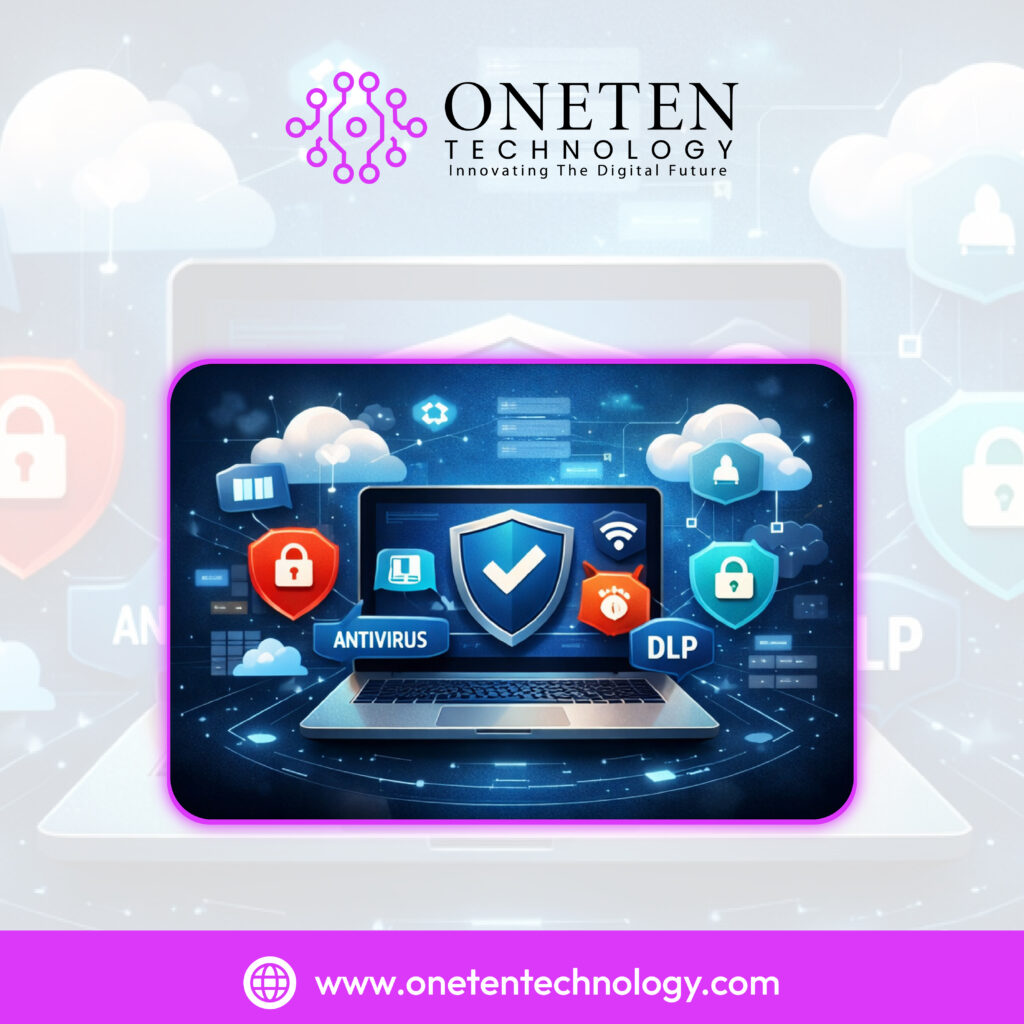
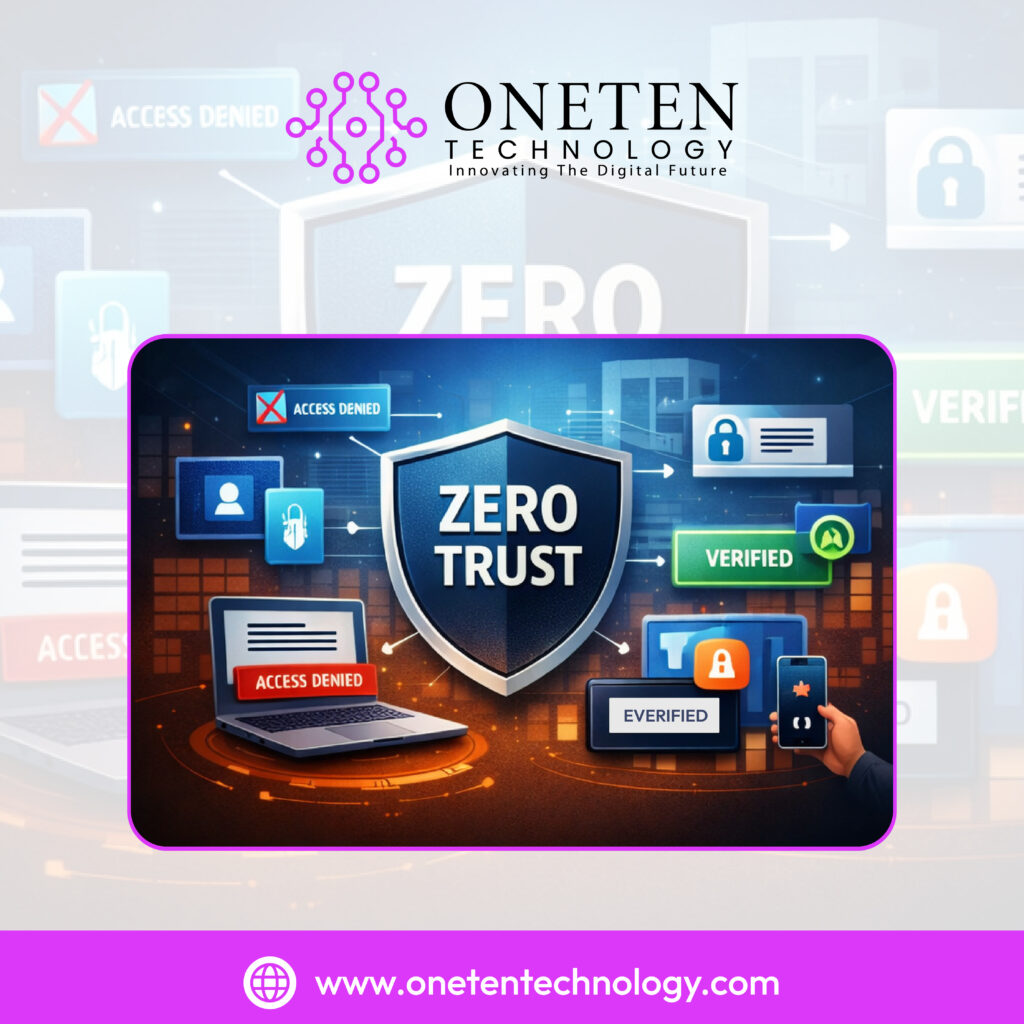
To combat these issues, organizations need to adopt advanced cybersecurity technologies, which are more suitable for hybrid environments. Identity and Access Management (IAM) technologies help in providing more secure access control, as they not only involve password based authentications but also multi factor authentications, along with biometric authentications. Zero Trust Network Access (ZTNA) technologies help in providing more secure access control, as they eliminate implicit trust in the networks. Instead of assuming that everyone inside the network is trustworthy, Zero Trust Network Access provides strict access validations at every step.
Endpoint Detection and Response (EDR) products give real time visibility into device activities, helping to quickly identify unusual activity patterns. Security Information and Event Management (SIEM) products aggregate log information and correlate activities across the enterprise, helping to identify patterns that may be associated with coordinated attacks. Data Loss Prevention (DLP) products protect the organization from the unauthorized sharing or downloading of sensitive information, helping to protect the organization from regulatory non compliance and breach risks.
Encryption is one of the most important foundational security measures in a hybrid environment, helping to protect organizations from various types of threats, including those that intercept sensitive information. By encrypting sensitive information both in transit and at rest, organizations can protect the confidentiality, integrity, and authenticity of the information, which may be important in regulated environments.
However, this is not all that is required to achieve a robust hybrid approach to cybersecurity. In addition to technology, there is a need to have robust governance structures, clear policies on working remotely, and to continue educating employees on the importance of cybersecurity in the organization. Employees must be made to understand that cybersecurity is a shared responsibility in the organization. For instance, employees must be encouraged to lock their devices, avoid suspicious emails, and regularly update their devices to minimize the risks to the organization.
The truth is that cyber-criminals are targeting hybrid organizations because they realize that there is complexity and variability in the environment of the distributed workforce. Small and mid sized businesses are at a higher risk of being attacked compared to other organizations because they do not have the same security resources as big corporations. However, cyber-criminals do not care about the size of the organization and will attack wherever they see a weakness.
The hybrid workforce model is here to stay, and with it comes a new and permanent evolution in our approach to cybersecurity. Businesses must evolve their approach to cybersecurity to transition away from reactive security models and towards proactive security models that incorporate intelligence and assume that security breaches are possible and must be minimized.
Here at One Ten Technology, we understand that with hybrid workforce model transformation comes a new set of security challenges that must be addressed. Our approach to security is to help businesses strengthen their security model at all levels.
If you are currently operating in a hybrid workforce model and want to assess and determine the security posture of your organization, now is the time to do so. Contact us at One Ten Technology to receive a comprehensive security assessment and to help ensure that your hybrid workforce model is secure and resilient in the face of an ever evolving threat landscape.